

green reflective glass
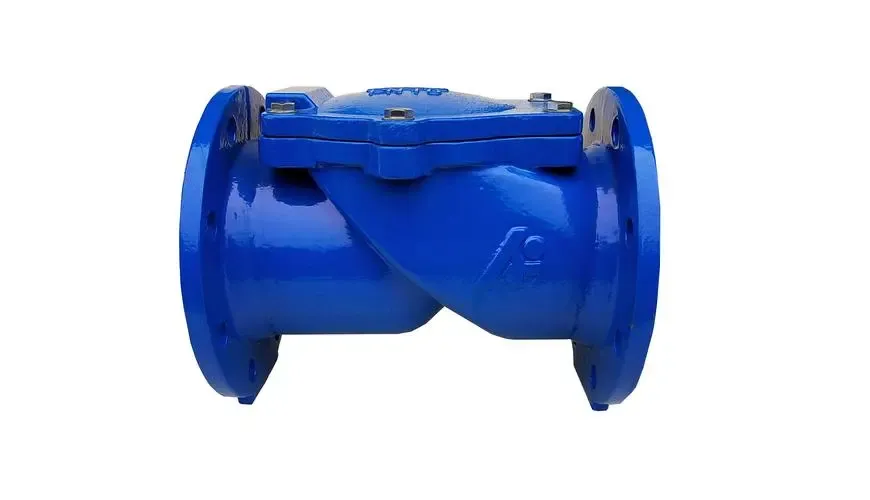
Understanding the Gate Valve DN80 A Comprehensive Overview When it comes to fluid control in various industrial applications, the gate valve is one of the most popular types of valves used today. Specifically, the DN80 gate valve holds a significant position due to its size and versatility. DN, or Diameter Nominal, references the valve's nominal size in millimeters; thus, DN80 indicates a valve with a diameter of 80 millimeters. What Is a Gate Valve? A gate valve is primarily designed to allow or obstruct the flow of fluid. Unlike other valve types, such as globe valves or ball valves, gate valves are either fully open or fully closed. They are known for their exceptional sealing ability and minimal flow resistance when fully open. This feature makes them ideal for applications where a straight-line flow of fluid is necessary. Design and Construction The gate valve DN80 typically features a steel or cast iron body, with various internal components that can vary depending on the application. The internal mechanism consists of a gate or wedge that moves up and down, driven by a handwheel or actuator. When the handwheel is turned, the gate moves down into the flow path to close the valve or rises to open it. The design of the DN80 gate valve ensures durability and reliability. Many are equipped to handle high pressures and can withstand varying temperatures, making them suitable for both cold water services and hot applications, such as steam and oil transport. Applications of DN80 Gate Valves gate valve dn80 The DN80 gate valve finds application across a wide range of industries, including waterworks, wastewater treatment, oil and gas, and power generation. In water distribution systems, these valves help manage the flow of water between different sections of pipelines. In the oil and gas industry, they are used to control the flow of crude oil or natural gas in various processing stages. One of the key advantages of using a DN80 gate valve is its ability to provide a tight seal. This capability prevents fluid leakage, which is essential for safety and environmental concerns. Furthermore, when the valve is fully open, it presents minimal resistance to fluid flow, thereby preserving system efficiency. Maintenance and Operation Like any mechanical device, the DN80 gate valve requires routine maintenance to ensure longevity and optimal performance. Operators should regularly check for signs of wear, corrosion, or any leakage. It’s essential to exercise the valve periodically to prevent it from seizing or becoming stuck in the closed position. In terms of operation, the valve should always be opened and closed gradually to avoid sudden pressure fluctuations that could damage the valve seat or associated pipework. Conclusion In conclusion, the DN80 gate valve is an indispensable component in various industrial systems. Its robust design, reliability, and effective flow control make it a preferred choice among engineers and operators alike. Understanding the features and maintenance requirements of the DN80 gate valve is essential for anyone involved in fluid management, ensuring both efficient operation and safety in any industrial setting. Whether it’s controlling water flow or managing hydrocarbons, the DN80 gate valve stands out as a critical element in the engineering and operational toolkit.
about
green reflective glass
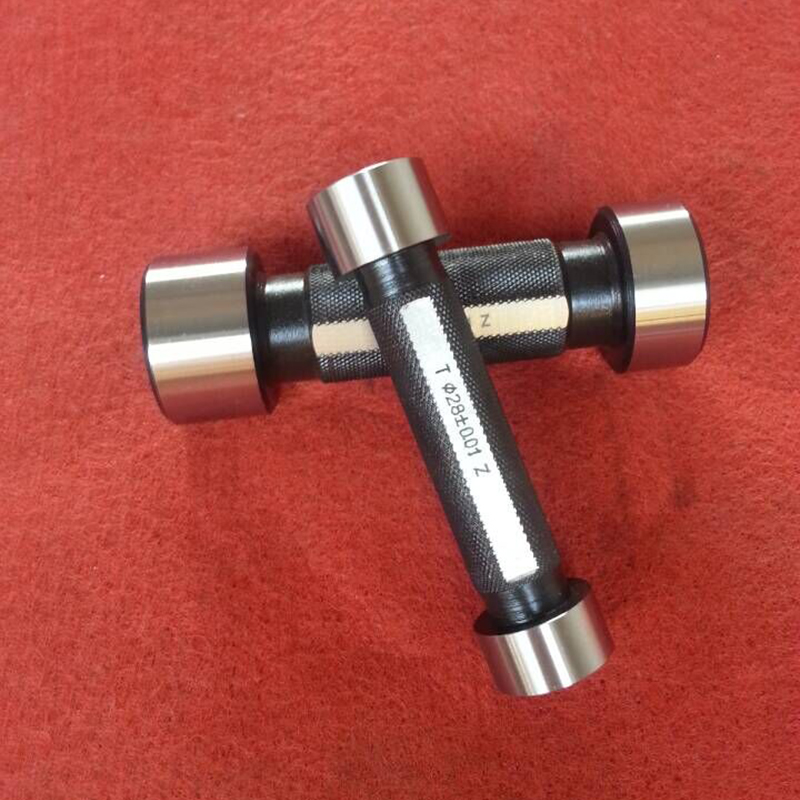
Types of Thread Gauges An Overview Thread gauges are essential tools in engineering and manufacturing that ensure precision and accuracy in threaded components. Their primary function is to measure the pitch, major diameter, minor diameter, and thread angle of threaded parts. Understanding the different types of thread gauges is crucial for those involved in industries such as manufacturing, automotive, and aerospace, where tolerance levels are stringently maintained. This article will delve into various types of thread gauges and their applications. 1. Go and No-Go Gauges One of the most basic forms of thread gauges is the Go and No-Go gauge. This type consists of two separate gauges the Go gauge, which represents the maximum allowable limits of a thread, and the No-Go gauge, which denotes the minimum allowable limits. When a threaded part passes the Go gauge but fails the No-Go gauge, it confirms that the part is within the specified tolerance range. This dual approach helps manufacturers quickly assess whether a part meets quality standards. 2. Thread Plug Gauges Thread plug gauges are cylindrical tools used to check the internal threads of parts, such as nuts or tapped holes. These gauges are available in both Go and No-Go styles. The Go end of the gauge should fit easily into the threaded hole, while the No-Go end should not fit. This ensures that internal threads are cut to the correct pitch and depth. 3 . Thread Ring Gauges Conversely, thread ring gauges are used to measure the external threads of parts, such as bolts and screws. Similar to thread plug gauges, they also come in Go and No-Go variants. The Go gauge checks the maximum limit of the external thread, while the No-Go gauge ensures that the thread does not exceed tolerance levels. These gauges are particularly important in applications where external threads must fit precisely into matching female threads. types of thread gauge 4. Thread Calipers Thread calipers are another type of thread gauge designed for more versatile applications. They can measure the pitch diameter of both internal and external threads. This tool is especially useful for assessing the uniformity and consistency of threads across a batch of threaded components. Unlike Go and No-Go gauges, thread calipers provide more detailed measurements, allowing for finer adjustments and quality control. 5. Pitch Gauges Pitch gauges are specialized tools used to measure the pitch of threads, which is the distance between one thread crest and the next. These gauges typically have various slots to accommodate different thread sizes and pitches. While they do not provide full measurements of the thread diameter or angle, they are invaluable for quickly identifying the pitch of a thread, aiding in selecting the appropriate tap or die for further machining processes. 6. Digital Thread Gauges With advancements in technology, digital thread gauges have emerged, providing a higher level of precision and ease of use. These gauges often come equipped with digital displays that show readings in real-time and can store multiple measurements for later reference. They are particularly advantageous for applications requiring frequent measurement and verification, improving efficiency in quality control processes. Conclusion The variety of thread gauges available is a testament to the importance of precision in manufacturing and engineering. From simple Go and No-Go gauges to advanced digital gauges, each type of thread gauge serves a specific purpose to ensure that threaded components meet the necessary specifications. Understanding these different types can significantly impact quality control and overall manufacturing efficiency, underscoring the importance of correctly calibrated and maintained thread gauges in any production setting.
-

High quality industrial productsagement

High quality industrial products
View Details -

Meet the diverse needs of customers

Meet the diverse needs of customers
View Details -

Strict quality control

Strict quality control
View Details -

Top raw materials

Top raw materials
View Details -

Trusted supplier

Trusted supplier
View Details
Our application


news and information
Using Thread Ring Gauges for Accurate Measurement and Quality Control in Manufacturing Processes
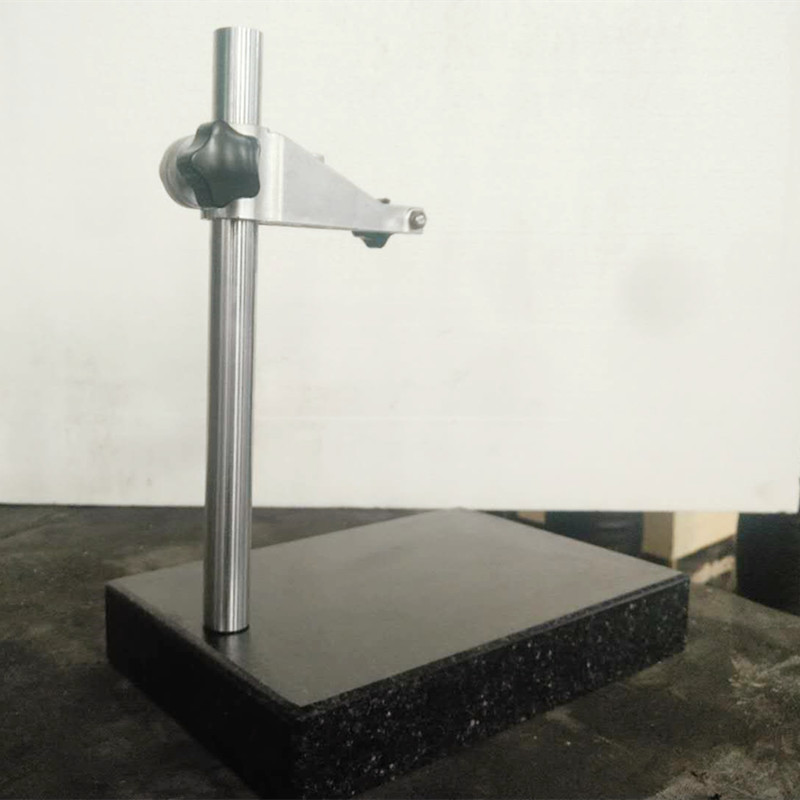
The Importance of Thread Ring Gauges in Quality Assurance In the world of manufacturing and engineer
Welding Fabrication Techniques A Comprehensive Guide for Professionals
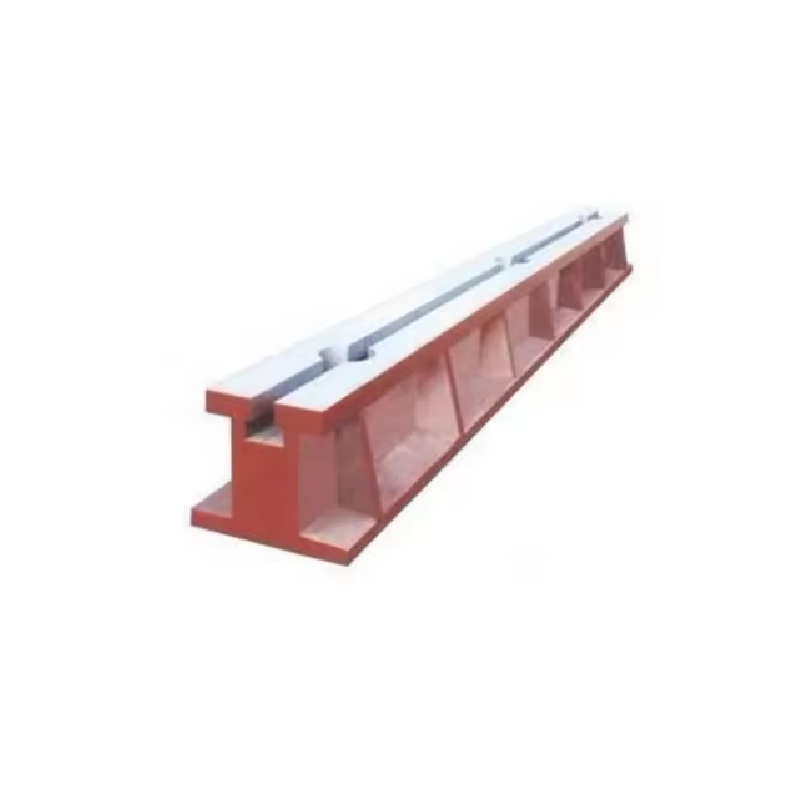
Understanding Welding Fabrication Tables A Key Tool for Precision and Efficiency Welding fabrication
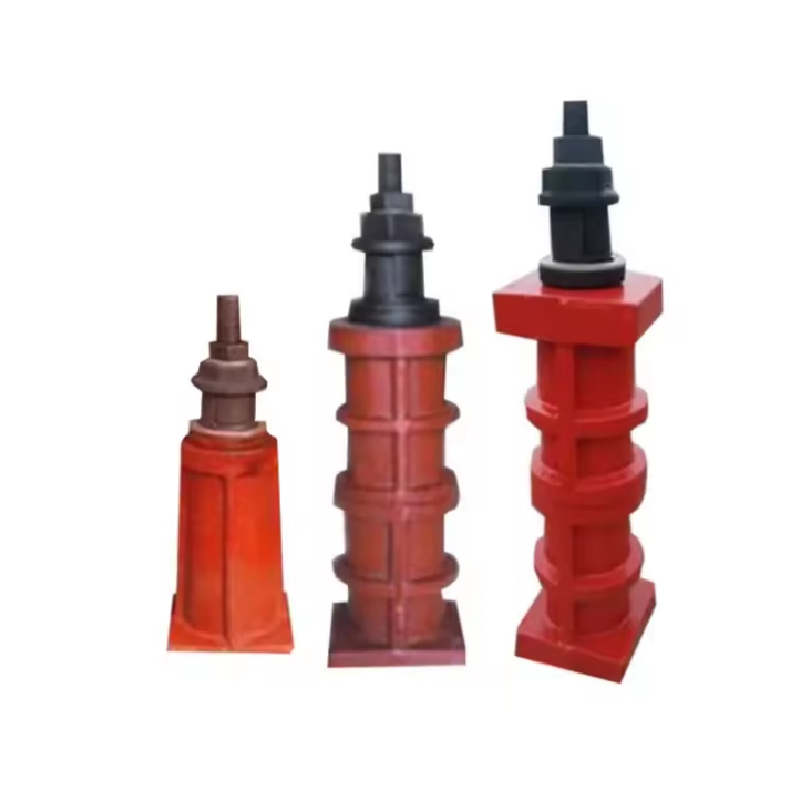
which way to turn off water valve
Turning off a water valve might seem like a straightforward task, but understanding the nuances can
 English